

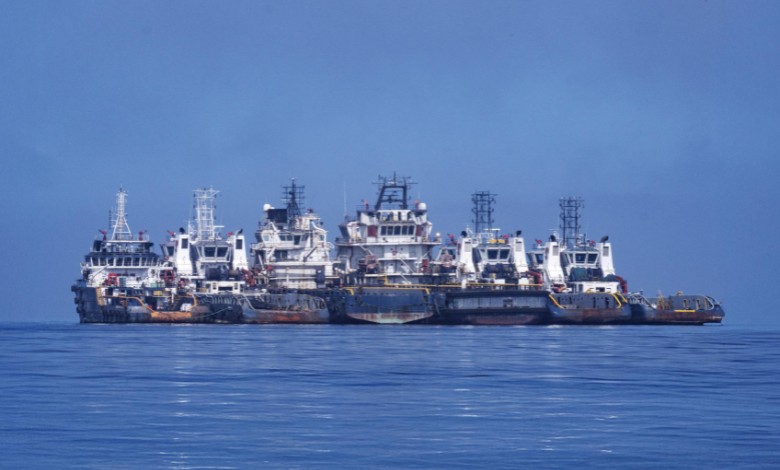
Bohicket creek navy vessel removal explained with causes, process, environmental impact, and latest updates in detail.
If you are looking for Bohicket Creek navy vessel removal, you are probably trying to understand an exceptional and unusual situation. A naval vessel that ends Bohicket Creek There is nothing happening every day, and when it does, it immediately raises questions, safety, environment, liability, and what happens next.
At first glance, It may seem so a simple cleanup job. But when you dig deeper, you realize that it is. A complex operation including environmental protection, marine engineering, government coordination, And careful timing.
In this article, We will interpret everything down in a clear, human way. Happened: Why this matters, And how? the removal process Actually works behind the scenes.
What Happened at Bohicket Creek?
The situation about bohicket creek navy vessel removal Began when naval vessels were stranded, damaged, or unseaworthy within. Bohicket Creek. While the exact circumstances Reports may vary, the outcome is the same: The vessel was a risk Which cannot be ignored.
What most people There is no feeling that vessels don’t become “problems” overnight. This usually happens gradually:
- Structural weakening over time
- Mechanical failure
- Movement related to storms or tides
- Abandonment or long- term inactivity
Finally, the authorities decided to withdraw. The vessel Also applied in place many risks, dynamically, a formal removal operation.
Why Bohicket Creek Matters
Bohicket Creek It just isn’t a random waterway. Is part of a sensitive coastal ecosystem with:
- Marshlands and wetlands
- Active boating routes
- Fishing areas
- Wildlife habitats
Think of it as cramped, living corridor where water wildlife, and human activity Everyone gets along. Even a small disturbance can be folded outwards.
Therefore, Bohicket Creek navy vessel removal This is not just a logistical task. An environmental priority.
In a stranded ship such an area can:
- Block navigation channels
- Leak harmful substances
- To disturb marine life
- To influence local recreation And fishing
Why the Navy Is Involved
One Of the biggest questions people ask is: Why is that? the Navy responsible?
The answer It is accountability. If a vessel owned, operated or affiliated with the Navy, They are legally and practically responsible. Its safe removal And environmental compliance.
This responsibility Includes:
- To cease environmental contamination
- To be sure safe navigation
- To pursue federal maritime regulations
- Communication cleanup operations
As opposed to removal of restricted boat, military or government related vessel removal is included stricter oversight And more detailed procedures.
Environmental Risks You Don’t See at First Glance
One Of the less obvious aspects of bohicket creek navy vessel removal is the environmental risk beneath the surface.
Although a vessel Appears” inactive”, it may still contain:
- Fuel residue
- Engine oil
- Hydraulic fluids
- Corroding metals
- Synthetic materials
If anyone these leak I the water, The effect spreads quickly the ecosystem.
A simple analogy: Imagine falling a drop of ink I a clear glass of water. Now imagine that happening. A flowing creek with wildlife It depends.
That is why the authorities are taking immediate measures. These situations.
How Vessel Removal Actually Works. (Step-by-Step)
Many people Assume a crane Just picking up the vessel Out and about. In reality, Bohket Creek Navy vessel removal is a multi- phase engineering operation.
1. Website Evaluation
Experts first Guessing:
- Structural condition of the vessel
- Depth and water conditions
- Environmental risks
- Accessibility to equipment
This phase decides the entire removal strategy.
2. Removal of risk
Before that any physical removal begins hazardous materials is extracted:
- Remaining fuel
- Lubricants
- And oil
- Contaminated liquid
This step Prevention is essential environmental damage.
3. Stability
The vessel is stable to discontinue:
- Sudden sinking
- To separate
- Changes with the tide
It is often needed. Underwater support structures or anchoring systems.
4. Clip or Lifting
Depends on size and condition:
- Some vessels is taken whole
- Others is cut into sections for safer removal
Smaller pieces Manageable to transport and reduce risk the environment.
5. Transport and Disposal
Once removed:
- Materials Transferred to approved facilities.
- Recyclable metals has been saved
- Hazardous waste Treated separately
Why the timing? Matters Too much
One Most of all overlooked parts of bohicket creek navy vessel removal It’s about time.
Work It is often limited by:
- Millet Weather conditions
- Water currents
- Visibility underwater
Crews Can only be a few working hours. During the day safe tidal windows. It does the operation slowly. But it is necessary for safety.
Effect on Local Community
The effects of the vessel removal extension beyond engineering teams.
Boating Restrictions
Certain areas of Bohicket Creek Can be closed temporarily:
- Recreational boating
- Fishing activities
- Water sports
Fishing and Wildlife Disruption Fishing areas can be restricted if: Contamination risk exist equipment. Working around.
Wildlife Protection
is required during cleaning.
Local Economy
I some cases, Can experience tourism and leisure activities. Temporary slowdowns.
Environmental Protection Measures
To minimize damage during bohicket creek navy vessel removal, The authorities usually implement:
- Floating containment barriers
- Water quality monitoring systems
- Sediment protection strategies
- Continuous environmental testing
And importantly, the surveillance doesn’t cease after that the vessel has been removed. Long- term observation Takes care of the ecosystem It gets better.
WHO Pays to the Removal?
Costs Such operations can be substantial, sometimes in the hundreds. Thousands Or even millions depend on the complexity.
Funding usually comes from:
- Federal government budgets
- Military funding allocations
- Insurance or liability coverage( I some cases)
The goal This is to be sure environmental safety Because of the compromise is not done. Financial constraints.
Common Misconceptions
Is a few misunderstandings people Occurs often:
- It’s urgent surgery.” In reality, It can obtain weeks or months.
- The vessel just picked up” Often it has to be eliminated. First.
- When it is removed, the issue is over” Environmental monitoring lasts long after removal.
FAQs
What is Bohicket Creek known for?
Bohicket Creek is a coastal waterway known for boating, fishing, and its sensitive marsh ecosystem.
Why did the Navy remove the vessel?
Because the vessel is their responsibility and poses environmental and navigational hazards.
How long does it last? vessel removal toe
It can be taken from anywhere. A few weeks To several months Depends on the conditions.
Is Bohicket Creek safe under removal?
I most cases, Safety zones are created, and restricted access areas is temporarily enforced.
What is happening the removed vessel?
It is usually discarded, recycled or disposed of accordingly. Environmental regulations.
Why don’t you go? the vessel In place?
Because over time it can pollute, damage and create ecosystems. Navigation hazards.
Key Takeaways
- bohicket creek navy vessel removal is a complex, multi-stage operation
- Environmental protection is the top priority
- Removal involves engineering, safety planning, and government coordination
- Local communities may experience temporary disruptions
- Monitoring continues even after the vessel is removed
Additional Resources:
- Bohicket Creek Navy Vessel Removal Overview: State agency portal explaining the regulatory role, environmental protection responsibilities, and enforcement actions behind abandoned vessel removal in South Carolina waterways.
- Former U.S. Navy Vessel Removed from Bohicket Creek:Detailed reporting on the 120-foot former Navy torpedo-retriever, its abandonment, oil leakage risks, and the coordinated removal operation by SCDNR and contractors.
: